
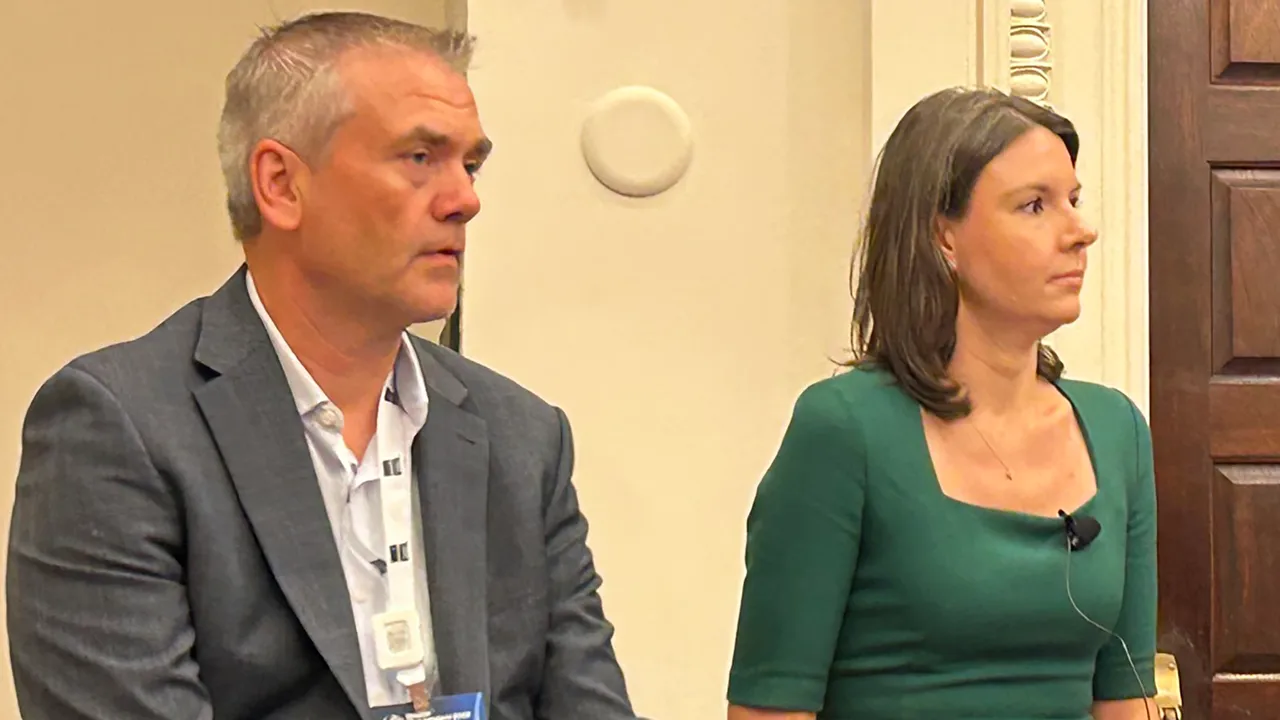
Brookwood Investment Group Chief Investment Officer Christopher R. Coolidge, CFA told advisors at the 2026 Wealth Management EDGE conference that commodities are one of the strongest opportunities open to U.S. investors right now. He added that Brookwood is already putting money behind that view
Chris spoke at the conference’s Strategic Investment Summit. The summit looked at how the artificial intelligence boom, the wars in Ukraine and the Middle East, and growth in overseas markets are changing where financial advisors find opportunity. Elaine Misonzhnik, senior editor for investments at Wealth Management Magazine, covered the discussion.
A 1970s-style cycle
Chris said markets are in a commodities supercycle similar to the one of the 1970s. He explained how these cycles usually unfold. Gold tends to rise first. Industrial metals such as silver and copper follow, and agricultural products come last. He said he is particularly bullish on two metals:
· Copper, because data center construction depends on it
· Silver, because of its role in defense spending
He also pointed to agriculture. He expects the fertilizer shortage caused by the closure of the Strait of Hormuz to drive a relatively long-lasting spike in crop prices once planting season begins in the Southern Hemisphere.
“We are allocating money to agricultural products in anticipation of that,” Chris said.
Why the approach has to be tactical
Chris did not present commodities as a simple buy-and-hold trade. ETFs and institutional vehicles can move in and out of the market easily, he said, and that adds volatility.
He used silver as an example. Earlier this year, silver jumped from $70 to $75 an ounce to $120 an ounce in a matter of days. It then fell to $60 just as quickly.
“The paper market can get overcrowded at points, there is a lot of money going in and out. So, it does lead to being much more tactical in the space.”
Where Brookwood is leaning
Brookwood is considering raising the commodity allocation in our flagship portfolio from 30% to 40%, Chris said. He cited three sources of growing demand:
· The AI buildout
· Higher defense spending
· The global shift away from globalization toward regional supply chains
He was less enthusiastic about traditional asset classes. He described U.S. equities as “over-stretched” and said, “bonds I am just not excited about.”
Brookwood’s take
Chris’ comments match how Brookwood manages money. Our firm forms a view on where long-term demand is heading and then adjusts positions as prices move, rather than holding a fixed allocation and waiting.
That discipline applies in both directions. Chris’ silver example shows how fast a crowded trade can turn. Brookwood’s position on commodities rests on structural drivers: AI infrastructure, defense budgets and regional supply chains. How we act on that position depends on price, positioning and risk.
“We’re not making a call on next month’s copper price. We’re looking at who needs these materials over the next five to 10 years and asking whether portfolios are positioned for it. Then we stay nimble on how we get there.”
For clients and advisors, the practical takeaway is that diversification now means looking beyond the traditional mix of U.S. stocks and bonds. Doing that well takes both a clear view of where demand is going and the flexibility to adjust as markets move.

Want more smart, practical wealth management advice?



Subscribe to our blog.
Your Next Chapter Starts Here.
Discover an RIA community that supports your growth and ambition.
